




 Free Quote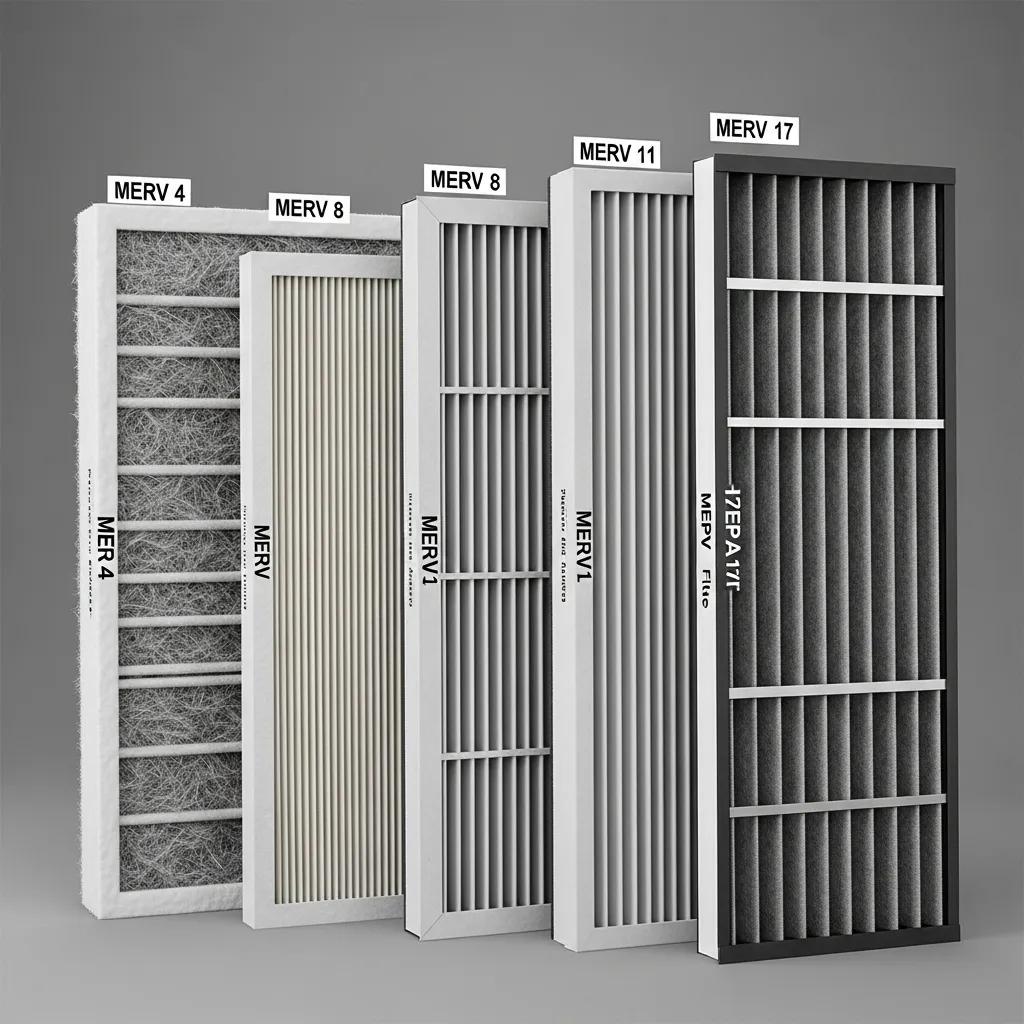
Mastering HVAC Filters & MERV Ratings
HVAC filters play a crucial role in maintaining indoor air quality and system efficiency. Understanding MERV ratings and the various types of filters available can significantly impact your health and comfort. This article will delve into the intricacies of MERV ratings, the different types of HVAC filters, and how to select the best one for your needs. Many homeowners and business owners struggle with choosing the right filter, often leading to suboptimal air quality and increased energy costs. By the end of this guide, you will have a comprehensive understanding of HVAC filters, including best practices for maintenance and replacement, and how to assess filter efficiency. We will also explore the latest industry standards and recommendations to ensure you make informed decisions.
What Is a MERV Rating and Why Does It Matter for HVAC Filters?
A MERV (Minimum Efficiency Reporting Value) rating measures the effectiveness of air filters in capturing airborne particles. The rating ranges from 1 to 20, with higher numbers indicating better filtration capabilities. Understanding MERV ratings is essential for selecting the right HVAC filter, as they directly influence indoor air quality and system performance. Filters with higher MERV ratings can trap smaller particles, including dust, pollen, and pet dander, which can significantly improve the air quality in your home or business.
How Are MERV Ratings Defined and Measured?
MERV ratings are defined based on a filter’s ability to capture particles of varying sizes, typically ranging from 0.3 to 10 microns. The measurement process involves testing filters under controlled conditions to determine their efficiency at capturing specific particle sizes. For example, a filter with a MERV rating of 8 can capture 70-85% of particles in the 3-10 micron range, while a MERV 13 filter can capture 90-95% of particles in the same range. This systematic approach ensures that consumers can make informed choices based on their air quality needs.
What MERV Rating Is Recommended for Residential and Commercial HVAC Systems?
For residential HVAC systems, a MERV rating between 8 and 13 is generally recommended. This range effectively captures common household allergens while maintaining adequate airflow. In commercial settings, the recommended MERV rating can vary based on the specific environment. For instance, healthcare facilities may require filters with MERV ratings of 14 or higher to ensure optimal air quality. Factors influencing the choice of MERV rating include the presence of pets, allergies, and the overall air quality in the area.
Which Types of HVAC Air Filters Are Available and How Do They Differ?
HVAC air filters come in various types, each with unique characteristics and benefits. Understanding these differences is crucial for selecting the right filter for your system. The most common types include pleated filters, fiberglass filters, and HEPA filters, each designed to meet specific filtration needs.
What Are the Characteristics of Pleated, Fiberglass, and HEPA Filters?
Pleated filters are made from polyester or cotton and feature a larger surface area, allowing for better airflow and filtration efficiency. They typically have MERV ratings ranging from 8 to 12, making them suitable for residential use. Fiberglass filters, on the other hand, are less efficient, with MERV ratings between 1 and 4, and are primarily designed to protect HVAC systems rather than improve air quality. HEPA filters are the gold standard in air filtration, capturing 99.97% of particles as small as 0.3 microns, making them ideal for environments requiring high air quality, such as hospitals and laboratories.
How Do Filter Materials Affect Air Quality and System Efficiency?
The materials used in HVAC filters significantly impact both air quality and system efficiency. High-quality materials, such as those found in pleated and HEPA filters, can trap more particles, leading to cleaner air. Conversely, lower-quality fiberglass filters may allow more contaminants to pass through, negatively affecting indoor air quality. Additionally, filters with higher MERV ratings can restrict airflow if not properly matched to the HVAC system, potentially leading to increased energy consumption and strain on the system.
How to Choose the Right HVAC Filter for Your Home or Business?
Selecting the right HVAC filter involves considering several factors, including MERV ratings, filter types, and specific air quality needs. Understanding these elements will help you make an informed decision that enhances your indoor environment.
What Factors Should Influence Your HVAC Filter Selection?
When choosing an HVAC filter, consider the following factors:
- MERV Rating: Select a filter with an appropriate MERV rating based on your air quality needs. Higher MERV ratings provide better filtration but may affect airflow if not compatible with your system.
- Filter Type: Choose between pleated, fiberglass, or HEPA filters depending on your specific requirements. Each type offers different levels of filtration and durability suited for various environments.
- System Compatibility: Ensure the filter fits your HVAC system to maintain optimal airflow and efficiency. Using an incompatible filter can strain your system and increase energy consumption.
By evaluating these factors, you can select a filter that meets your needs while ensuring your HVAC system operates efficiently.
How Do Filter Efficiency Ratings Impact Indoor Air Quality?
Filter efficiency ratings directly correlate with indoor air quality. Higher-rated filters capture more airborne particles, reducing allergens and pollutants in your home or business. For instance, a HEPA filter can significantly improve air quality for individuals with allergies or respiratory issues. Conversely, using a low-rated filter may allow harmful particles to circulate, potentially exacerbating health problems. Therefore, understanding filter efficiency ratings is crucial for maintaining a healthy indoor environment.
What Are Best Practices for HVAC Filter Maintenance and Replacement?

Regular maintenance and timely replacement of HVAC filters are essential for ensuring optimal performance and air quality. Following best practices can help extend the life of your filters and improve system efficiency.
How Often Should HVAC Filters Be Changed for Optimal Performance?
HVAC filters should generally be changed every 1 to 3 months, depending on usage and the type of filter. For example, pleated filters may last longer than fiberglass filters, which should be replaced more frequently. Additionally, homes with pets or high dust levels may require more frequent changes to maintain air quality and system efficiency. Regularly checking filters for dirt and debris can help determine the appropriate replacement schedule.
What Are the Benefits of Professional HVAC Filter Replacement Services?
Utilizing professional HVAC filter replacement services from Comfort Air Conditioning and Heating offers several advantages. Their expertise ensures that the best filters are recommended for your specific system and air quality needs. Scheduling regular maintenance with Comfort Air Conditioning and Heating provides convenience by ensuring filters are changed on time, which improves air quality and system performance. Additionally, proper maintenance through their services can extend the life of your HVAC system, leading to long-term savings by reducing repair costs and energy bills.
How Do HVAC Maintenance Plans Support Effective Filter Management?
HVAC maintenance plans can significantly enhance filter management, ensuring that your system remains in optimal condition. These plans typically include regular inspections, filter changes, and system tune-ups.
What Services Are Included in HVAC Maintenance Plans Related to Filters?
Common services included in HVAC maintenance plans related to filters are regular filter changes scheduled to maintain optimal air quality. System inspections are also part of these plans, providing comprehensive checks to identify potential issues before they become major problems. Performance tune-ups are included as well, offering adjustments that improve system efficiency and longevity. These services collectively help maintain a healthy indoor environment while prolonging the life of your HVAC system.
How Can Scheduled Maintenance Improve Filter Lifespan and Air Quality?
Scheduled maintenance plays a crucial role in extending filter lifespan and enhancing air quality. Regular inspections and timely replacements prevent the buildup of dirt and debris, which can clog filters and reduce their effectiveness. By ensuring that filters are changed as needed, you can maintain optimal airflow and air quality, leading to a healthier indoor environment.
What Are the Latest Industry Standards and Recommendations for HVAC Filters?
Staying informed about the latest industry standards and recommendations is essential for selecting the right HVAC filters. Organizations like ASHRAE and the EPA provide guidelines that help consumers make informed choices.
How Do ASHRAE and EPA Guidelines Influence Filter Selection?
ASHRAE (American Society of Heating, Refrigerating and Air-Conditioning Engineers) and EPA (Environmental Protection Agency) guidelines recommend specific MERV ratings for different applications. For instance, ASHRAE suggests that filters used in commercial buildings should have a minimum MERV rating of 13 to effectively capture airborne particles. These guidelines help consumers understand the importance of selecting appropriate filters based on their specific needs and environments.
What Are Emerging Trends in High-Efficiency HVAC Filtration?
Emerging trends in HVAC filtration technology include the integration of smart technology and advanced materials. Smart filters can monitor air quality and filter performance, providing real-time data to users. Additionally, high-efficiency filters are being developed to capture even smaller particles, further improving indoor air quality. These innovations are paving the way for more effective and efficient HVAC systems.
How Can You Assess HVAC Filter Efficiency Ratings and Their Impact?
Assessing HVAC filter efficiency ratings is crucial for understanding their impact on air quality and system performance. By evaluating these ratings, consumers can make informed decisions about their filter choices.
What Do Efficiency Ratings Indicate About Filter Performance?
Efficiency ratings indicate how well a filter captures airborne particles. Higher ratings correlate with better performance, meaning that filters with higher MERV ratings can trap more contaminants. For example, a filter with a MERV rating of 13 is significantly more effective at capturing allergens than one with a rating of 5. Understanding these ratings helps consumers select filters that meet their air quality needs.
How Do Efficiency Ratings Relate to Airborne Contaminant Reduction?
Efficiency ratings are directly related to the reduction of airborne contaminants. Filters with higher ratings can significantly decrease the number of allergens and pollutants in the air, leading to improved indoor air quality. Using high-efficiency filters can reduce respiratory issues and allergies, making them a valuable investment for health-conscious consumers.
Where Can You Find Professional HVAC Filter Replacement and Maintenance Services?
Finding professional HVAC filter replacement and maintenance services is essential for ensuring optimal system performance. Many companies offer specialized services to help consumers maintain their HVAC systems effectively. To schedule a free estimate for HVAC filter services, contact Comfort Air Conditioning and Heating, a trusted local HVAC provider in San Diego, CA. Their team offers consultations to assess your needs and recommend appropriate services tailored to your system and air quality concerns.
Personalized HVAC maintenance plans from Comfort Air Conditioning and Heating offer several benefits, including tailored services to meet your specific needs and preferences. These plans can help you save costs by preventing expensive repairs and extending the life of your HVAC system. Additionally, consistent filter changes and system checks improve air quality, ensuring a healthier indoor environment.
For any questions or concerns about your HVAC system, don’t hesitate to contact Comfort Air Conditioning and Heating. Their team is ready to assist you with all your HVAC needs.
Get Expert HVAC Filter Services Today
Ensure your home or business in San Diego, CA has the best indoor air quality and HVAC system performance by choosing Comfort Air Conditioning and Heating for your filter replacement and maintenance needs. Schedule a free estimate to discuss your options and find the best solution tailored to your environment.