




 Free Quote
Leave a Review for Comfort Air Conditioning & Heating
Keeping your heating system in good shape protects your comfort, lowers energy costs, and helps prevent surprise breakdowns. This checklist gives homeowners clear DIY tasks, seasonal prep steps, common failure causes, and guidance on when to call a pro for a furnace tune-up. Even San Diego’s mild winters put seasonal demands on furnaces, heat pumps, and ductless systems—targeted maintenance keeps them running efficiently and reliably. Read on for why regular care matters, a simple monthly and pre-winter checklist you can follow, what a professional tune-up covers, and how to prepare your system for cooler weather. The guidance here is practical and action-oriented so you can extend equipment life and keep indoor air quality healthy.
Why Is Regular Heating Maintenance Important for Homeowners?
Regular maintenance keeps your system running efficiently, reduces safety risks, extends the life of equipment, and improves indoor air quality. Tasks like replacing air filters, checking the blower motor and thermostat, and watching ductwork for blockages lower resistance and energy use, which helps cut operating costs. Safety inspections can find cracked heat exchangers or gas leaks before they become hazards, and routine servicing helps protect manufacturer warranties and ensures dependable heating performance. Together, these benefits mean fewer emergency repairs and steadier home comfort.
How Does Heating Maintenance Improve Energy Efficiency and Reduce Bills?
Maintenance restores proper airflow and combustion or heat-transfer performance. Clean filters and open vents let air move freely; tuned burners or well-maintained heat pump components transfer heat more effectively. When airflow is right, the blower and heat exchanger run within design limits, so your system runs less and uses less energy. Homeowners can track improvements through seasonal utility comparisons and by noting how long the system holds a set temperature. Small steps—like changing a clogged filter—directly reduce wasted energy and keep bills down.
What Safety Benefits Does Annual Heating Maintenance Provide?
Annual service reduces combustion and electrical risks by inspecting burners, ignition systems, venting, and safety controls. Technicians look for cracked heat exchangers, gas-pressure issues, combustion performance, and carbon monoxide levels. You can complement those checks by keeping CO detectors working and installed in the right spots. Technicians also verify electrical connections to prevent shorts or failures that could disable safety interlocks or cause hazards. Those checks give homeowners peace of mind and a solid reason to schedule regular professional inspections.
What Are the Key Tasks on a DIY Heating System Maintenance Checklist?
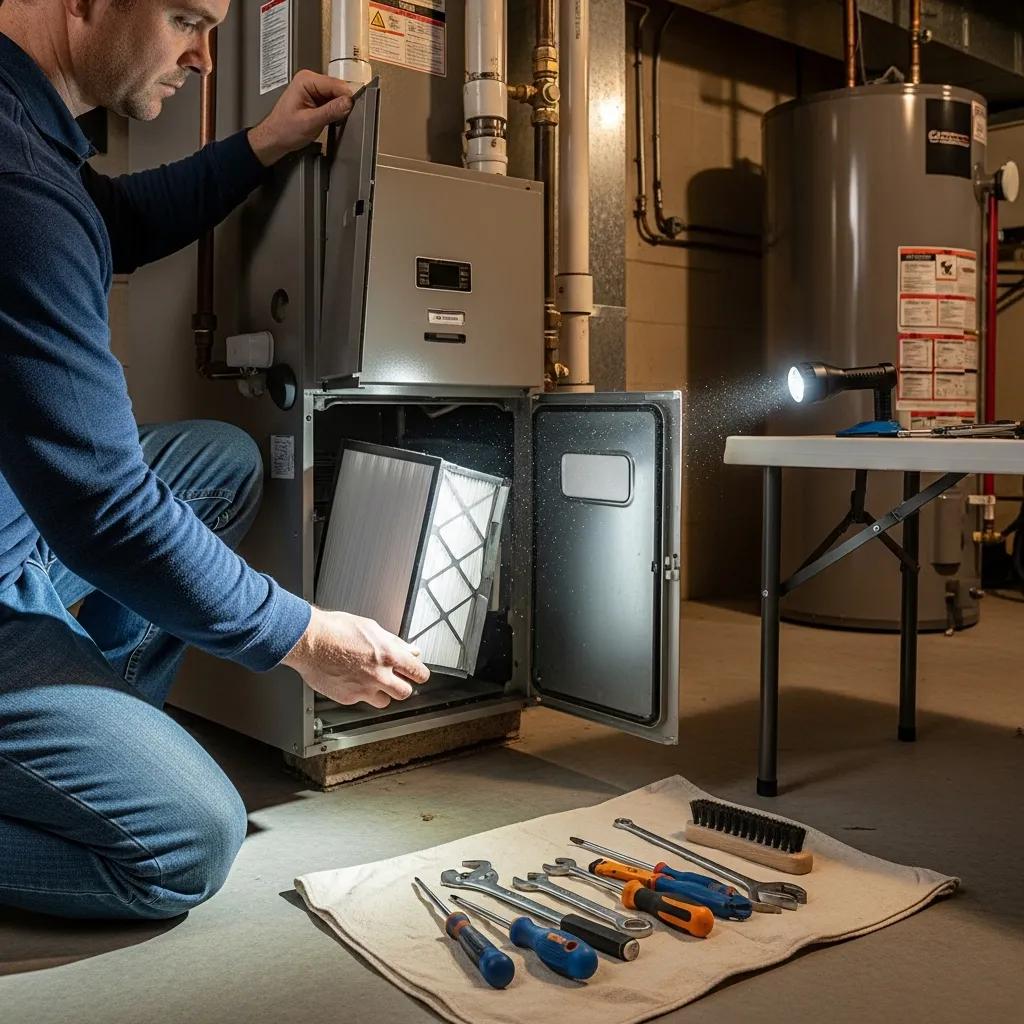
A homeowner-friendly checklist separates safe monthly tasks from seasonal preparation and makes it clear when to call a technician. Monthly steps—checking and replacing filters, inspecting visible duct registers, and confirming thermostat schedules—are effective first lines of defense. Seasonal tasks prepare the system before peak demand. This approach combines simple component checks (filters, thermostat, vents) with preventive measures to keep the system efficient and safe. Below are practical monthly and seasonal steps you can do safely, plus a concise table comparing common filter types.
How Often Should You Replace or Clean Your Furnace Air Filter?
Filter frequency depends on filter type, household conditions, and air-quality needs. Disposable fiberglass filters often need changing every 30–60 days, pleated filters every 60–90 days, and higher-MERV filters around 90 days—though high-MERV filters can restrict airflow if they’re too dense for the system. Homes with pets, smokers, or allergy sufferers should change filters more often because trapped particles reduce airflow and make the blower work harder. Use a visual check and symptoms like reduced airflow or uneven heating as cues to replace a filter sooner than scheduled.
Different filter materials and MERV ratings balance particle capture and airflow; the table below helps you choose the right option and cadence for your home.
This table compares common residential filter options by type, recommended MERV range, and suggested replacement cadence to support a practical DIY maintenance plan.
| Filter Type | Typical MERV Range | Recommended Replacement Frequency |
|---|---|---|
| Fiberglass (disposable) | MERV 1–4 | Replace every 30–60 days for typical homes |
| Pleated (standard) | MERV 5–8 | Replace every 60–90 days; sooner with pets or allergies |
| High-efficiency (electrostatic / high MERV) | MERV 9–13 | Replace every 90 days; monitor airflow to avoid strain |
Picking the right filter and sticking to a replacement schedule preserves airflow, supports heating efficiency, and reduces wear on the blower and heat exchanger.
The short checklist below lists safe, repeatable DIY tasks homeowners should perform monthly or seasonally to maintain heating performance.
- Check and replace air filters as needed to maintain airflow and efficiency.
- Inspect vents and registers for blockage; make sure they’re open and aimed for good airflow.
- Verify thermostat settings, replace batteries when necessary, and confirm programmed schedules match household routines.
These simple monthly actions prevent common problems and make seasonal maintenance easier.
How Can Homeowners Check and Calibrate Their Thermostat for Optimal Heating?
Use an independent room thermometer to compare the thermostat reading to the actual temperature. If the difference is more than 1–2°F, adjust the offset or recalibrate the unit. Avoid placing thermostats near drafts, direct sun, or on exterior walls—poor placement causes short cycling and uneven runtime. Replace alkaline batteries annually if applicable, and review smart or programmable schedules so setbacks and occupied periods fit your household habits. If recalibration doesn’t fix the issue or the thermostat won’t communicate with the HVAC system, call a pro for a control check or replacement.
When and Why Should You Schedule a Professional Furnace Tune-Up?
A professional furnace tune-up is a systematic inspection that improves safety, restores efficiency, and finds early signs of failure before they turn into emergencies. Technicians perform component-level checks, combustion testing, blower and motor servicing, safety-control verification, and carbon monoxide testing to make sure systems meet safety and performance standards. Regular professional service also helps with warranty requirements and creates a documented maintenance history that supports long-term equipment value. Below we outline what a typical tune-up includes and offer guidance on service intervals by system type.
What Does a Professional Furnace Tune-Up Include?
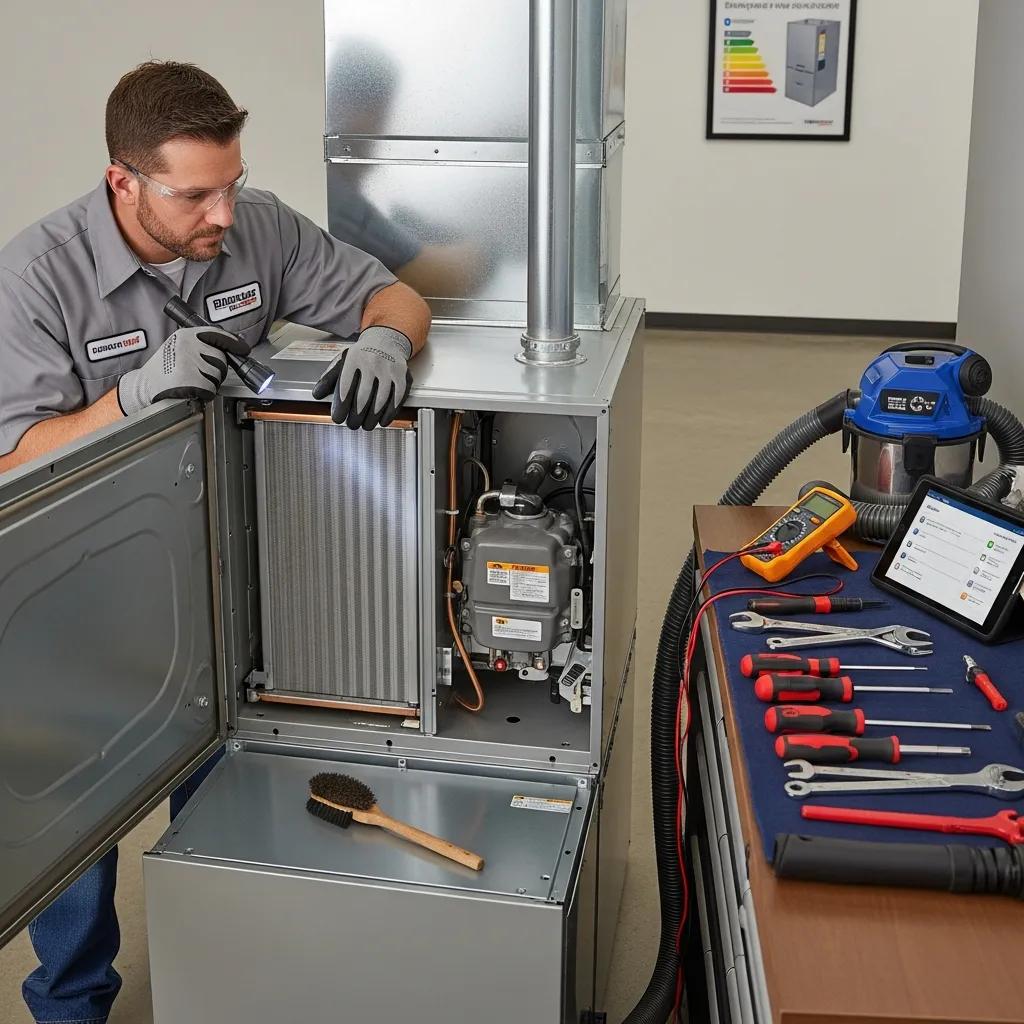
A complete tune-up inspects and cleans burners, checks the heat exchanger for cracks, tests ignition and safety controls, measures combustion and CO levels, and inspects the blower motor, belts, and electrical connections. Technicians confirm proper airflow, look for visible duct leakage where accessible, recommend or replace the correct air filter, and test thermostat response and system cycling under load. Each step addresses specific failure modes—cleaning burners improves combustion, while heat exchanger checks address critical safety risks. Technicians document findings so you can schedule any needed follow-up repairs.
The bulleted list below summarizes typical technician tasks during a professional furnace tune-up.
- Inspect and clean burners, burner ports, and the combustion chamber for efficient combustion.
- Inspect the heat exchanger and test safety controls, including carbon monoxide verification.
- Check and lubricate the blower motor, recommend or replace filters, and run performance tests.
These tune-up steps combine safety checks and performance tuning to reduce energy use and the chance of unexpected failures.
How Often Should Heat Pumps and Furnaces Be Professionally Serviced?
Service frequency depends on the system. Heat pumps generally benefit from annual professional service since they run year-round for heating and cooling. Gas furnaces are also commonly serviced annually, though some manufacturers allow 1–2 year intervals under light use—annual visits are still the safest bet. Older systems, high-use homes, or households with vulnerable occupants should consider annual or biannual service. Urgent signs—strange noises, odd smells, frequent cycling, or CO alarm activation—require immediate attention regardless of schedule.
If you’d rather have a pro handle your furnace tune-up or heat pump service, licensed HVAC providers in the San Diego area offer scheduled maintenance and safety inspections tailored to local climate and warranty needs. A licensed technician performs combustion testing and safety verifications to code, and documented visits create a maintenance record that helps with resale and warranty compliance. Local pros can help you follow the checklist and set up regular maintenance appointments.
How Do You Prepare Your Furnace and Heating System for Winter?
Preparing your system for winter combines mechanical checks, outdoor clearance, and a full-system test to avoid cold-season failures and frozen condensate issues on some equipment. Seasonal steps include clearing debris around outdoor units, checking condensate lines for drainage, verifying vents and flues, and running the system to confirm steady startup and operation. Doing this work in late fall or before the first sustained cool period reduces emergency calls and lets you schedule repairs at convenient times.
What Seasonal Checks Should Homeowners Perform Before Cold Weather?
Seasonal checks include clearing at least two feet of debris from around outdoor units, making sure condensate drains are clear, checking that registers and vents are unobstructed, and running the heating system to verify startup and steady operation. Replace or inspect air filters, test carbon monoxide detectors, and visually check exposed ductwork for disconnections or missing insulation. Booking a professional tune-up before heavy use helps technicians spot worn parts that are easier and cheaper to fix outside peak season.
How Does Proper Winter Preparation Prevent Common Furnace Problems?
Proper prep stops common failure modes like overheating from restricted airflow, frozen condensate-line blockages on high-efficiency units, and motor stress from dirty components that increase electrical draw. Clearing outdoor units and confirming drainage prevents compressor or condensate pump failures, while filter and vent maintenance keeps the blower and heat exchanger operating within design limits. Catching minor leaks or electrical faults early usually means a low-cost repair instead of an emergency part replacement or full system failure.
What Are Common Furnace Problems and How Can Maintenance Prevent Them?
Typical furnace issues include no heat, short cycling, loud or odd noises, unpleasant odors, and carbon monoxide alarms—each symptom points to likely causes that routine maintenance can prevent or mitigate. Mapping problems to likely causes and preventative actions shows how a planned maintenance approach cuts repair risk and downtime. The table below pairs common symptoms with likely causes and preventative steps homeowners can take.
The table below links typical furnace symptoms to likely causes and the preventative maintenance steps that reduce the probability of each failure.
| Problem | Likely Cause | Preventative Maintenance Action |
|---|---|---|
| No heat | Ignition failure, tripped safety switch, or faulty thermostat | Annual tune-up, ignition inspection, and thermostat calibration |
| Short cycling | Overheating from restricted airflow or an oversized unit | Regular filter changes, vent clearance, and blower inspection |
| Strange noises (clanking, squeal) | Loose parts, failing bearings, or worn belts | Tighten hardware, lubricate motor bearings, and replace belts |
| Odors (burning smell) | Dust burn-off or electrical issues | Clean the heat-exchanger area, check electrical connections; call a pro for persistent smells |
This problem-to-action mapping shows that routine maintenance addresses root causes and reduces emergency repairs and safety risks.
Which Signs Indicate Your Furnace Needs Repair or Inspection?
Treat persistent no-heat, uneven or weak heating, repeated short cycling, loud mechanical noises, the smell of gas, or any carbon monoxide alarm as reasons to get an immediate inspection. Unexplained spikes in energy bills can also indicate reduced efficiency from dirty parts or failing controls—schedule a diagnostic if you see that. For safety-critical signs like gas odor or CO alarm, evacuate and call emergency service. For non-urgent but worrying symptoms, book a diagnostic appointment to prevent escalation.
How Does Preventative Maintenance Extend Furnace Lifespan and Avoid Costly Repairs?
Preventative care reduces wear on moving parts through proper lubrication, prevents overheating by maintaining airflow, and avoids corrosion or stress with timely cleaning and adjustments. Regular maintenance can extend equipment life and lower operating costs by reducing run time and preventing catastrophic failures that force early replacement. A documented service history also supports warranty claims and reassures future buyers about system condition. In short, routine maintenance is an investment that cuts both short-term repair needs and long-term replacement risk.
How Can Comfort Air Conditioning and Heating Support Your Heating Maintenance Needs in San Diego?
Comfort Air Conditioning and Heating helps San Diego homeowners with maintenance, tune-ups, and repairs tailored to local climate and common residential systems—furnaces, heat pumps, and ductless units. As a licensed local provider, we offer scheduled furnace tune-ups, safety inspections, heat-pump servicing, and maintenance-plan options that make it easy to follow the checklist above. Our technicians perform the professional tasks described earlier—combustion checks, blower inspections, filter recommendations, and thermostat verification—so you receive documented, code-compliant maintenance visits. If you want a technician to run the full tune-up checklist or set up an annual plan, we can help.
What Heating Maintenance Services Do We Provide for Homeowners?
Comfort Air Conditioning and Heating offers services focused on safety and efficiency: furnace tune-ups, heat pump seasonal service, ductless-system checks, and recurring maintenance agreements. Our scope matches the professional tune-up checklist—burner and heat-exchanger inspection, blower and motor servicing, safety-control tests, and thermostat calibration—to reduce breakdown risk and keep your home comfortable. We serve residential and light-commercial customers across San Diego and provide clear, documented recommendations after each visit.
How Can You Schedule a Heating Maintenance Appointment or Get a Free Quote?
To schedule maintenance or request a free quote, have basic system details ready—system type (furnace, heat pump, ductless), any recent symptoms, and your preferred timing. That information helps streamline booking and ensures the technician arrives prepared. We can advise on recommended service frequency for your equipment and confirm service-area eligibility within San Diego. Clear details up front help the visit go smoothly and let the technician complete the tune-up checklist efficiently.
This final note reinforces that professional scheduling and preventive service help homeowners maintain safety, efficiency, and system longevity through documented inspections and expert care.
Conclusion
Regular heating maintenance keeps your system safe, efficient, and reliable through the cooler months. Follow a clear checklist, perform basic monthly tasks, and schedule professional tune-ups to reduce the chance of unexpected failures and costly repairs. A well-maintained system delivers better comfort and greater peace of mind—contact local HVAC professionals for help tailored to your home and equipment, and start protecting your heating system today.