




 Free Quote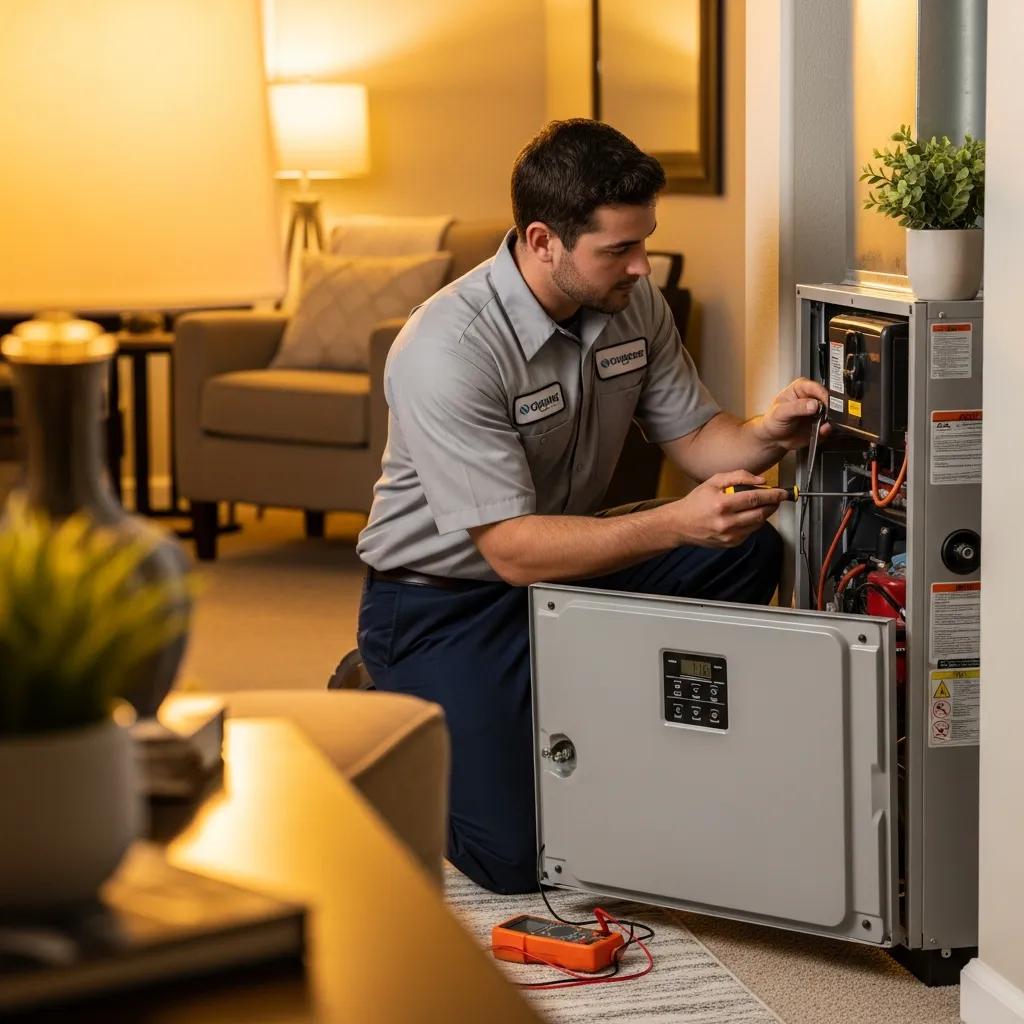
Reliable Furnace Care in San Diego, CA — Repair, Installation, Maintenance & Replacement
Keeping your home warm, safe, and efficient is what we do. This guide walks San Diego homeowners through furnace repair, professional installation, annual maintenance, and full replacements — plus what to do in an emergency. You’ll get practical local advice for gas and electric furnaces and heat pumps, learn the main cost drivers, and see clear decision points (age, AFUE, repair history) to help you weigh repair versus replacement. We also show the typical service checklists and explain how to get help quickly so you can move from diagnosis to action with confidence.
What Are the Key Furnace Services Offered in San Diego?
In San Diego we commonly provide on-site diagnostics and repairs, new system installations, scheduled maintenance tune-ups, full-system replacements, and emergency repairs. Each service meets a different need — fast fixes to restore heat, correct installations that meet code, preventive maintenance to avoid surprises, replacements when systems age out, and urgent response for safety issues. Knowing these categories helps you budget, protect indoor air quality, and keep AFUE performance where it should be. Below is a clear list of core services and what to expect when you call a pro.
Core furnace services available to San Diego homeowners:
- Furnace Repair: On-site diagnosis and focused repairs for ignition, blower, control, or airflow problems to get your system running safely again.
- Furnace Installation: Proper sizing, permit coordination, removal of the old unit, and careful commissioning to meet local codes and deliver reliable performance.
- Furnace Maintenance: Annual tune-ups and safety checks to preserve efficiency, extend equipment life, and keep warranties valid.
- Furnace Replacement: Complete system upgrades, including high-efficiency options and a review of duct compatibility and layout.
- Emergency Furnace Repair: Fast response for gas smells, smoke, sudden no-heat, or carbon monoxide concerns to protect your household.
These services outline typical next steps after a technician visit. The section below explains how repairs target the most common heating problems homeowners see.
How Does Furnace Repair Address Common Heating Problems?

Repairs start with a methodical diagnosis to match symptoms to causes, then move to targeted fixes that restore safe operation. Technicians inspect the heat exchanger, blower motor, ignition components, filters, and thermostat to pinpoint faults and either adjust, clean, or replace parts. For example, intermittent ignition issues often stem from a failing control module or a dirty ignitor and are typically fixed by cleaning or swapping the component and rechecking safety controls. A single component repair can postpone replacement, while repeated failures or safety problems — like a cracked heat exchanger — usually mean replacement is the safer choice. Knowing likely causes helps you set realistic expectations before the on-site visit.
What Is Included in Professional Furnace Installation?

A professional installation covers load calculation and correct sizing, safe removal of the old unit, proper venting and gas connections, and precise calibration of controls and thermostats. Installers check ductwork compatibility, run combustion and safety tests, pull required permits, and commission the system while showing you how it works. We choose equipment based on AFUE, San Diego climate suitability, and smart-thermostat compatibility so the system performs efficiently year-round. The job finishes with performance verification and documentation to support warranties and future maintenance.
When Should You Schedule Furnace Maintenance in San Diego?
We recommend furnace maintenance at least once every 12 months — ideally before the cooler season starts. Annual tune-ups help preserve AFUE, reduce mid-season breakdowns, and catch early wear on parts like the heat exchanger and blower. Regular service also improves indoor air quality by keeping filters and distribution components clean, which matters if anyone in your home has allergies. Below are common triggers and the timing that should prompt you to book service.
- Annual Tune-Up: Schedule yearly, preferably before you expect to use heating regularly.
- Unusual Noises or Odors: Call for an inspection if you hear grinding, rattling, or detect burning smells.
- Reduced Airflow or Performance: Book service when rooms aren’t reaching set temperatures or airflow seems weaker.
Routine maintenance prevents many emergency calls and supports system longevity and warranty compliance. The next part explains the measurable benefits you can expect from yearly tune-ups.
What Are the Benefits of Annual Furnace Tune-Ups?
Yearly tune-ups keep your system running efficiently, improve safety, and cut the chance of unexpected failures by catching small issues early. A typical visit includes checking and replacing filters, cleaning burners, combustion and carbon monoxide testing, inspecting the heat exchanger, and lubricating moving parts — all of which help preserve AFUE and lower operating costs. You’ll likely see fewer mid-season service calls and a reduction in minor repairs. Regular maintenance also documents the system’s condition, which helps when weighing repair versus replacement down the road.
What Does a Comprehensive Furnace Maintenance Checklist Include?
A thorough maintenance checklist covers filter replacement, burner and heat exchanger inspection, blower motor checks, ignition system testing, thermostat calibration, and verification of safety controls. Technicians inspect venting and flue integrity, test carbon monoxide detectors and combustion balance, and advise on the right filter type and replacement cadence for your home. Cleaning burners and coils and lubricating bearings improves airflow and reduces strain on the blower motor, extending component life. After the inspection, technicians will recommend repairs or upgrades that suit the unit’s age and performance.
How to Decide Between Furnace Repair and Replacement in San Diego?
Repair vs. replacement comes down to a few clear factors: the system’s age, how often you’ve needed repairs and their cost, how efficient the unit is compared with modern options (AFUE), and any safety issues like a cracked heat exchanger. A simple way to decide is to compare the ongoing cost of repairs to the value of a new unit, consider efficiency losses, and prioritize safety. In San Diego’s mild climate, also weigh heat pump options that provide efficient heating and cooling. The table below compares key factors to help guide your decision.
| Factor | What it means | When to replace |
|---|---|---|
| Age | Expected useful life of the furnace | Think replacement once the unit is about 15 years old |
| Repair frequency | How often you need service | Replace if you have frequent, costly repairs |
| Energy efficiency | AFUE and its impact on bills | Replace if a new unit will deliver meaningful savings |
| Safety risks | Signs like cracks or CO problems | Replace immediately if safety is compromised |
This view helps you make objective choices and leads into the clear signs that a furnace likely needs replacement.
What Are the Signs Your Furnace Needs Replacement?
Common signs that replacement is the better move include an age over roughly 15 years, rising energy bills without increased use, repeated major repairs, uneven heating, or safety alerts such as a cracked heat exchanger or recurring carbon monoxide warnings. If you’re replacing multiple components in a short time, continuing repairs often costs more than installing a new, higher-AFUE unit. Prioritize safety signals like combustion odors, rusted exchangers, or failed safety controls and schedule an immediate evaluation. Spotting these signs early lets you plan and budget for replacement and any available incentives.
How Do Energy-Efficient Furnace Replacements Save Money?
Higher-efficiency replacements increase AFUE, lower fuel use for the same heat output, and reduce your monthly utility bills — over time those savings can offset higher upfront costs. Upgrading from an older unit to a high-AFUE model lowers annual heating energy use; payback depends on local fuel prices, how often you run the system, and correct sizing. New systems also cut repair frequency and unexpected downtime, which has an indirect comfort and cost benefit. Asking your contractor about local rebates and financing can shorten the payback period and make efficient upgrades more affordable.
Which Types of Furnaces Are Best Suited for San Diego Homes?
In San Diego’s mild climate, heat pumps often provide the best year-round efficiency and serve for both heating and cooling. Gas furnaces still work well when you want quick, powerful heat during cool snaps. Electric furnaces are simple to install where gas isn’t available but can cost more to operate depending on electricity rates. Choosing between gas, electric, and heat pumps depends on your ductwork, thermostat compatibility, AFUE/SEER ratings, and your home’s heating load. The table below compares common system types for local homes.
| Type of System | Key Attribute | Best Use Case |
|---|---|---|
| Gas Furnace | Fast, high-BTU heat and common infrastructure | Homes that need quick warmth during colder nights |
| Heat Pump | High seasonal efficiency; heats and cools | Mild climates where year-round efficiency matters |
| Electric Furnace | Simple installation; no combustion concerns | Homes without gas service or for hybrid setups |
This comparison shows climate and home needs determine the best option, and correct sizing and duct compatibility are essential next steps.
What Are the Advantages of Gas Furnaces in San Diego?
Gas furnaces deliver strong, fast heat and often fit existing natural gas setups in many San Diego homes. They offer reliable output regardless of outdoor temperature and are familiar to most local technicians. That said, gas systems require proper venting, routine heat-exchanger inspections, and working carbon monoxide detectors to stay safe. Weigh these benefits against heat-pump alternatives and hybrid setups when choosing the right system for your home.
How Do Electric Furnaces and Heat Pumps Compare for Local Heating?
Heat pumps move heat rather than generate it, which makes them very efficient in San Diego’s moderate climate and gives you cooling as well. Electric furnaces use resistance heating — they’re straightforward to install where gas isn’t available but can cost more to run depending on electricity prices. Hybrid systems that pair a heat pump with a gas furnace can offer the best of both worlds: efficient year-round operation with reliable backup heat in colder spells. Consider operating cost, emissions goals, and control compatibility when choosing a system.
What Are the Typical Costs for Furnace Services in San Diego?
Service pricing depends on the job: repairs, installation complexity, parts, labor access, and required permits or ductwork changes. Key cost drivers are the equipment brand and efficiency, labor hours, permit and inspection fees, and whether gas-line or duct modifications are needed. Financing, warranties, and maintenance plans affect lifetime cost and can shift the value of repair versus replacement. The table below clarifies how different services break down and what usually influences quotes.
| Service Category | Typical Range Description | Main Cost Drivers |
|---|---|---|
| Repair | From small fixes to major component replacements | Parts, technician time, diagnostic fees |
| Installation | Full system replacement and final commissioning | Equipment efficiency, ductwork changes, permits |
| Maintenance | Annual tune-up and safety inspection | Labor, replacement filters, test equipment |
Knowing these factors helps you compare quotes and understand why estimates can differ between providers.
How Much Does Furnace Repair Usually Cost in San Diego?
Repair costs vary depending on whether the issue is minor — like a filter or thermostat adjustment — or major, such as a blower motor or heat exchanger replacement. Minor repairs usually take less time and use inexpensive parts; major repairs increase labor hours and parts costs and may require system downtime. Always ask for an on-site diagnostic that lists recommended repairs, highlights safety priorities, and explains warranty coverage. A clear quote should tell you whether repair or replacement makes more financial sense long term.
What Factors Affect Furnace Installation and Replacement Prices?
Price depends on the equipment brand and efficiency, needed duct or gas-line upgrades, accessibility (tight attics or crawlspaces increase labor time), and local permit and inspection fees. High-efficiency models raise upfront costs but lower operating expenses over time. Complex installs with new venting or substantial duct changes also increase material and labor costs. Reviewing these details with a qualified contractor ensures estimates are comparable and include required compliance work.
How Can Emergency Furnace Repair Services Help San Diego Residents?
Emergency repair teams handle life-safety issues like gas leaks, smoke, carbon monoxide alerts, or sudden loss of heat. They provide fast diagnosis, safe shut-off or isolation of hazards, and temporary or permanent repairs to restore a safe condition. Emergency responders focus on occupant safety first, then stabilize the system and recommend follow-up work. Knowing when to call and what to do while you wait reduces risk and speeds recovery. The next section lists urgent signs that require immediate action and steps you can take right away.
When Should You Call for Emergency Furnace Repair?
Call immediately if you smell gas, see smoke or flames near the furnace, have a carbon monoxide alarm, or lose heat during dangerously cold conditions — these are immediate safety risks. While you wait, evacuate vulnerable occupants, shut off the gas only if it’s safe and you know how, ventilate the area if possible, and stay clear of ignition sources. Emergency service prioritizes life-safety first, then temporary fixes to secure the property and a plan for permanent repair or replacement. Telling dispatch exactly what you’re seeing helps the technician arrive prepared.
What Makes Comfort Air Conditioning & Heating Reliable for Emergency Services?
Comfort Air Conditioning & Heating offers local emergency response with trained technicians who start with a safety assessment, secure shut-off procedures, and rapid temporary fixes followed by a plan for permanent repair. For urgent help or to request immediate emergency service, call us at Comfort Air Conditioning & Heating. Our team documents safety checks like carbon monoxide testing and explains short-term protective steps while arranging long-term solutions. Reach out at the first sign of danger so we can respond quickly and reduce further risk.
For full service details or to schedule an appointment, visit the Comfort Air Conditioning & Heating contact page.
Conclusion
Knowing the range of furnace services in San Diego helps you make confident choices about repair, replacement, and upkeep. Prioritize safety and efficiency, and don’t hesitate to call a trusted local technician when you need help. Contact us to schedule service, get a clear quote, or arrange emergency response — we’re here to keep your home comfortable and safe all year.